

If construction is in your future, or you’ve just started out, you’re going to discover that there are a lot of construction skills to learn. Some skills depend on the area of construction you are going into. The foundations of construction depend on a strong understanding of several basic skills. Learning these skills is essential, and taking a foundation course like Construction Technology can be hugely beneficial to your learning.
While some people do get jobs on a construction site with no training at all, it is growing increasingly rare for that to happen. People without skills can be frustrating for busy sites to train and can also become insurance risks. Safety is extremely important, and not knowing basic skills can be hazardous not just for the unskilled worker but for the entire team.
There are several ways to learn construction skills. These can include:

- Hands-on Training, Pre-Apprenticeships, & Apprenticeships: Working under a licensed journeyperson, learning on-site and with formal pre-apprentice programs from the skilled trades unions.
- Schools and Colleges: Learning from reputed organizations, such as Pathways Career College or the Skilled Trades College of Canada. These programs have been designed to support you through your construction skills journey.
- Self-Taught/DIY: Tackling at-home projects and volunteering at non-profits like Habitat for Humanity allow you to learn basic framing, drywalling, and tool handling while supervised by experienced construction leads.
So what skills do you need to learn? There are 5 areas that are considered essential to becoming a construction worker, which offer you the ability to grow your skills and work with confidence. By overcoming your skills gap, you can take on more roles and become an essential skilled worker.
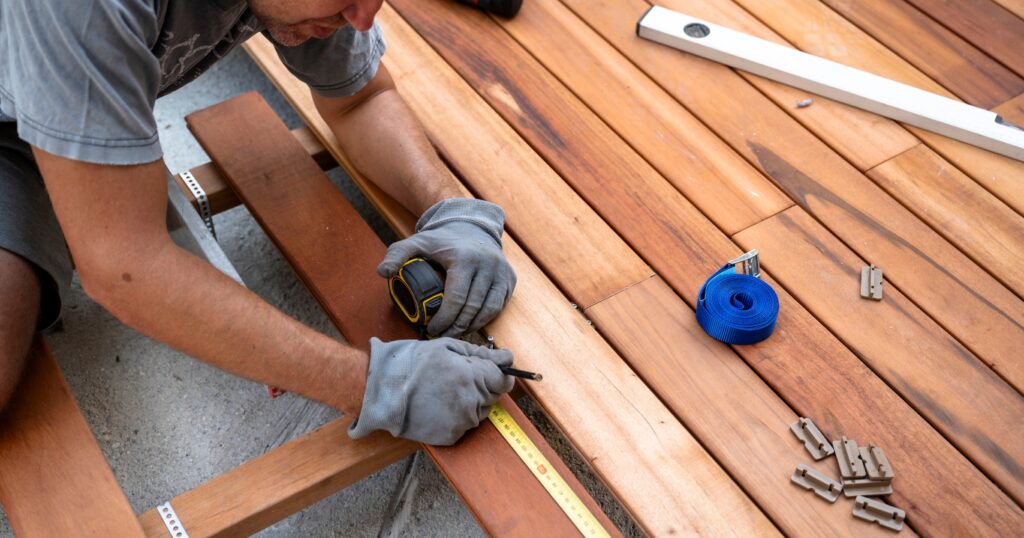
Understand Your Essential Tools and Build Your Construction Skills
Construction has a wide variety of tools you can use. However, there are several tools that every construction worker needs to have in their belt:
- Tape Measure: Crucial for accurate measurements, preferably with fractional markings.
- Claw Hammer: Essential for driving and pulling nails
- Level: Ensures surfaces are perfectly horizontal or vertical
- Utility Knife: A retractable snap-off knife for cutting materials like drywall, insulation, or packaging.
- Screwdrivers/Driver Bits: A versatile set, including Phillips and flathead, or a comfort-grip handle with multiple bits.
- Pliers & Wrenches: Locking pliers and adjustable wrenches are crucial for gripping, bending, and fastening.
These tools are what you will have to learn to use during a course or training. Knowing their proper use helps you avoid mistakes and possible injuries. For example, knowing how to insert and tighten a screwdriver bit properly can keep you from losing it the moment you press the power button.
What types of tools could you use?
When it comes to power tools, many sites use several standard types. Learning how to use them is vital to keeping yourself safe and able to work without trouble. When you have the confidence to operate them, jobs can feel easier than ever before.
- Power Drill/Driver: For drilling holes and driving fasteners.
- Circular Saw: Provides speed and precision for straight cuts in wood and metal.
- Reciprocating Saw: Ideal for demolition and cutting through diverse materials.
We don’t want to forget the next vital equipment type you should have, aligned with your tools. Site essentials are there for your safety, visibility, and protection.
- Personal Protective Equipment (PPE): Hard hat, safety glasses/goggles, gloves, and durable work boots.
Learning how to use basic equipment and tools is important for Construction. This skill set can be taught on-site or in a safe training environment (like Pathways!). If you have never used equipment before, don’t try to guess how to. Ask for help and demonstrations so that you can operate safely.
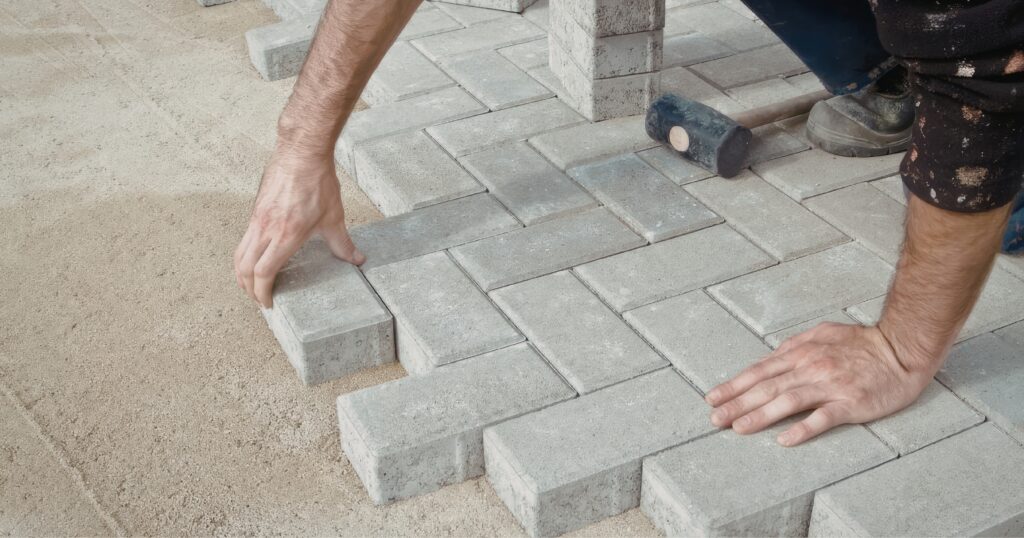
Communication is a vital part of Construction Skills
Construction is very rarely a solo pursuit. Even general contractors will hire out for help, and many will need to interact with customers. Construction relies on its elements of teamwork and clear communication to get jobs done right. One break in the communication chain can result in months of work being done incorrectly.
Maintaining transparent, open communication helps jobs be done correctly and quickly. There are many people involved in job sites, not just workers, and every person has their part to play in providing that easy communication.
What does that mean, though, for you if you are just starting out? It means listening attentively to instructions and providing feedback to your site managers. Not only does it help with your work, but communicating helps you develop thriving relationships with your co-workers and other people on the site. By improving communication and offering feedback, you can help your team overcome challenges such as site status, health and safety, and deadline management.
Avoid the Silos!
A common issue with communication on construction sites is the silo effect. One area of the project may communicate only with one another, and assume the other groups have everything clear and ready to go. Another group may be on totally different deadlines. Whatever the problem, it is often a communication issue. If you can be a strong communicator, your career and workplace knowledge will thrive.
But not everyone is a strong communicator. What should you do if you are shy? Or don’t feel confident about your experience or skill level? As the old saying goes, practice, practice, practice. Get used to talking to people on the job site or fellow classmates. Raise your hand and ask one question so you can realize there are no dumb questions. If you see something you don’t understand, point it out and ask for an explanation. Being willing to be curious and determined is a trait employers often require, especially for certain roles in construction. This will build your construction skills faster than passively learning everything.
Know Your Essential Safety Skills First
In an article from SafetyMag, inexperience and lack of safety are often attributed to the cause of injury or death on worksites. Falls are often cited as the top cause of injury and death. Many times, workers fail to use their safety protection equipment related to the task they are given. Even though they may have had safety training to go with their construction skills, not properly using equipment resulted in unfortunate consequences.
Safety training is more than passing an online WHMIS test. It involves many different facets of your life, both work and personal. You may be surprised to realize that using First Aid comes in handy around the house as much as it does in your workplace.
Most safety certifications are considered the standard to have on job sites. Not only do they teach you how to be safe, but they are attractive to employers. It says to them that this person has gone through what they need to do to be a safe employee. This makes hiring decisions easier.
As your career evolves, you can also upskill into other official certifications that are pertinent to your job, such as Plumbing Certification, Forklift Driving, and Electrical Certification. Just remember that many certifications require you to renew your certification upon its expiration.
When it comes to safety training, Pathways teaches Construction students:
- Working at Heights
- WHMIS (2015/1988) in Construction
- First Aid and CPR
- Worker Health and Safety Awareness

Building Essential Skills within Trades
While it may seem like a no-brainer, having the construction skills to build and complete projects is vital. These can’t be picked up and learned in an hour either. Construction projects are often split into core skill groups, each with skills that you need to have.
- Carpentry: Building structures and frames
- Bricklaying and Masonry: constructing walls
- Welding: using heated objects to create joinery
- Plumbing and electrical: being able to install or repair systems
While you may not be an expert in all of them, having a well-rounded exposure to different skills can help you appreciate them all the more. It also means you can help out if asked. You may not be an expert, but becoming the person willing to learn, willing to help, is a vital part of becoming a key team member that your site manager remembers.
Your Career Path may be waiting
Building the essential skills to work with each of those areas comes through education and repetition. Programs like the Pathways Construction Technology Training are designed to help you learn the basics of each area. That way, you can approach them with confidence and the readiness to expand your knowledge. When you learn how to frame, you can build better structures and understand what makes them work. This can lead to becoming well-educated in how masonry helps support the building. Everything comes together.
Each of those skills can also be taken to the next level. If you discover you really enjoy construction, you may want to move into educating yourself even further. LiUNA Local 1059 offers great resources that can help you build your career even further. You could also look at developing a specific area of your skills with the trades. This could mean an apprenticeship in your future.
These local unions can give even more information!
- Carpenters Union Local 1946
- Plumbers, Steamfitters, Welders – Southwestern Ontario United Association Local 527
- Bricklayers BACU Local 5

The Blueprint for Success: Why Math & Comprehension Are Construction Essentials
When people picture a construction site, they usually think of tool belts, heavy machinery, and physical grit. But behind every standing wall and poured foundation is a mountain of critical data that needs to be calculated, interpreted, and executed perfectly. That is where construction skills meet math and comprehension skills. In the building trades, these aren’t abstract concepts you leave behind in a classroom. They are practical, daily tools that ensure a structure is safe, accurate, and built to last.
Did you just freeze up and think, “I can’t do math though!”
It’s okay. A lot of people think that.
The kind of math involved when you are entering the construction sector is often what you will have learned in high school. Fractions and arithmetic are key parts of everyday construction life. Geometry and trigonometry also make an appearance as well. You will also need ability to make readings of a scaled drawing. The kind of comprehension you will need is similar to being able to read instructions in a classroom, understand them, and apply them.
That sounds like a lot!
Don’t let that scare you off!
Think about it this way: a blueprint is essentially a highly technical map, and your reading comprehension skills are what allow you to decode it. From deciphering structural specifications and building codes to understanding safety data sheets for materials, a modern tradesperson needs to be a sharp reader. This isn’t just to make your life difficult; it is a big part of keeping a project on budget and on schedule. Missing a single sentence or misinterpreting a note on a schematic can lead to errors that cost thousands of dollars to fix—or worse, create serious safety hazards for the entire crew.
Then comes the math. On a job site, you are constantly calculating angles, estimating volume for materials, converting measurements on the fly, and adjusting layouts to real-world conditions. Whether you’re figuring out the pitch of a roof, checking a frame for perfect squareness using the 3-4-5 rule, or balancing a budget for materials, accurate math is what keeps a project moving forward. It’s the ultimate form of problem-solving.
Developing strong math and comprehension skills doesn’t just make you better at your current job. It’s exactly what sets you up to transition from a labourer to a supervisor, estimator, or project manager down the road.
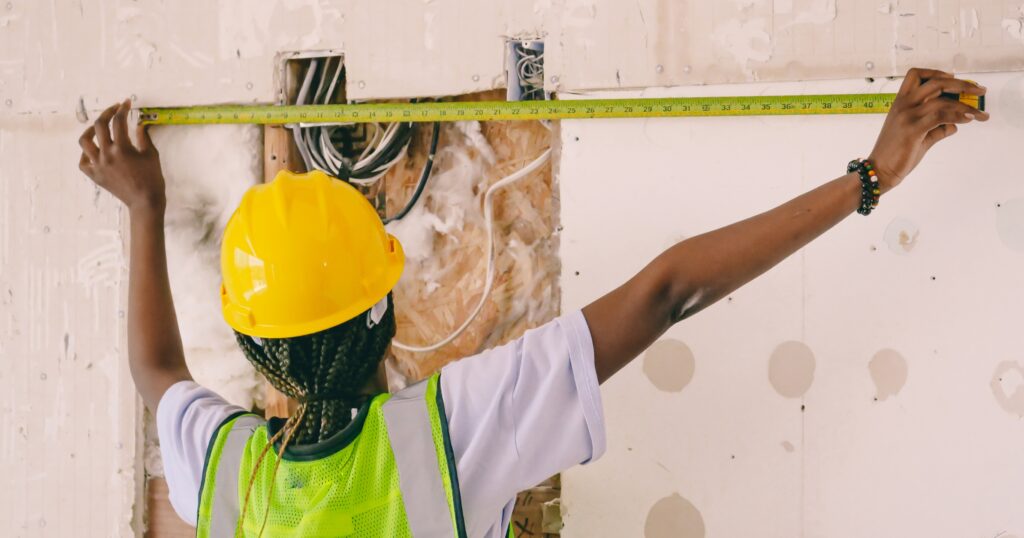
Building Your Future, One Skill at a Time
At the end of the day, turning a passion for building into a lifelong, stable career comes down to mastering these core foundations. Every expert journeyperson, site supervisor, and project manager in Ontario started exactly where you are standing right now: looking at a toolkit, a blueprint, or a math problem and wondering how it all fits together. By focusing on your tools, mastering communication, prioritizing safety, expanding your trades knowledge, and sharpening your practical math skills, you aren’t just preparing for a job. You are building a bulletproof reputation.
In a thriving construction market like London’s, employers are actively looking for workers who bring both a strong work ethic and the right foundational training to the site. This means the right construction skills! You don’t have to bridge your skills gap all on your own. Whether you want to get your safety certifications finished, get hands-on practice with power tools, or gain a well-rounded introduction to carpentry and masonry, a supportive environment is the best place to start.
Ready to trade the sidelines for a hard hat and a rewarding career? Explore how the Construction Technology Training program at Pathways Career College can help you master the basics, gain your essential safety certifications, and connect you with local opportunities. Your future on the job site starts with the very first step and the right construction skills. Let’s build it together.
Are you ready to start your learning journey to a career? Talk to us about how we can help you at www.pathwayscareercollege.ca or calling 519-667-7795. You can also come to our free information session, every Wednesday at 9:30 a.m.!
