“You need a skill set!” “Don’t lean on one skill!”
You have probably heard it all when it comes to skill sets. You may have even heard it from your local college or a company you interviewed with that your skill set needs work or even that you have a great combination of skills. Even if the news was good, you may think you know what a skill set is, but do you realize that the right set of skills is what gets you hired, not just any skill you have?
Skill set is defined by Merriam-Webster as:
a set of skills
especially : a collection of skills and abilities that can be applied to a professional or creative endeavor
Let’s break that down even further, so you understand what it means to you as a future employee or someone looking for further skills training. You may find you have nearly the perfect skills for a role you’re looking for, but you need to brush up on one or two before you start looking for work. Remember that skills are learned, and if you are coachable, then it can be great if you decide to pursue skills related to your career.

What kind of Skill Set do you have?
First, grab a piece of paper. Write a list of every skill you think you have. It doesn’t matter if you do it well or if you’re still a beginner. A skill is a skill. Write every skill you can think of, and then ask a friend or family member, or even a co-worker, about the skills you have. The list may be long or short, and both are valid. Write everything down and then review it to make sure you haven’t missed anything.
When making your list, remember that skills are often divided into two lists: soft skills and hard skills. Soft skills can be defined as being related to your interactions almost daily. Hard skills are more technically focused and are often the specific and teachable skills you use to perform your work. Don’t compare your skill set to someone else if they are not at your level. If you are just starting out in your career, you may not have the exact same skills.
For examples of soft skills, think of how you interact with others. Here is a short list of soft skills commonly seen in people in work environments:
- Communication
- Problem Solving
- Working in a Team
- Creative
- Empathy
When it comes to hard skills, here’s a list that you might relate to:
- Computer literacy
- Construction tool knowledge
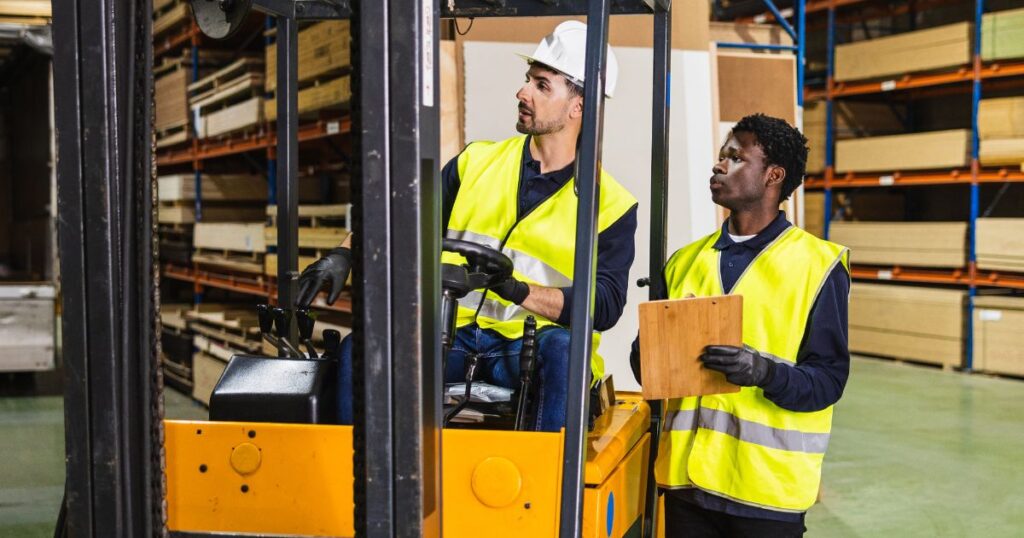
- Forklift driving
- Health and Safety
- First Aid and CPR
- Phone Etiquette
Need extra help? Do a web search for common hard skills! You might find you have more hard skills than you realize. It’s always important to remember that the amount of skills you have or don’t have doesn’t define who you are. Skills are teachable!
Start grouping skills for your path
Using your first list as a guide, divide your next list into two columns. One will say soft skills, one will say hard skills. Separate all of your skills into the two columns. It is okay if you have one list that is longer than the other; that’s very normal! This compiled list is your guide to what skill set you have and what you can build towards.
For skill sets, you can often find common links between hard and soft skills. If you are personable and empathetic, you may find answering phones and problem-solving skills. These are skill sets you find that you are comfortable using daily. If you are more analytical and enjoy being creative and hands-on, working in the construction sector may be something that is interesting for you.
Skill set combinations are very common and needed in the workplace. If you want to work as an administrative assistant, you may have fantastic interpersonal skills. But you lack the technical side of computer literacy and handling schedules. Both skill sets have to balance each other for you to be successful in the workplace. It doesn’t matter if you are working in an office or a warehouse.
Balance is great, but how do I know what skill sets to have?
So you have your list of skills and you know how to categorize them. What do you do with this list now?
First, having some direction is key to knowing how best to apply your skills. Where would you like to see yourself in a few years, career-wise? Do you want to be in a steady profession with consistent work? Do you like outside work or would you rather stay inside? Have you done any research into areas you want to work in? With as much information as you can gather, you can see how your skill set lines up.
Let’s pretend that you are thinking you’d like to work in construction. It seems like a great fit for you when you see your soft skills and your family thinks it’s a good fit. Before you start submitting your resume to companies, take a step back and do some more research. A quick read of Skilled Trades College’s blog post Most Essential Construction Skills You Need to Succeed tells you that communication, adaptability, and problem-solving are key soft skills. But when you read the technical skills, you might worry that you don’t have the skills. Hard skills typically looked for in construction include tool use, blueprint reading, and reading comprehension of safety regulations.
But there is so much to learn!
Don’t panic! Remember, we said that skills are teachable. You can learn these skills. Take a deep breath and make a third column on your list. Then, applying your research for what skills are needed for the job you’d like, write down where you need to learn new skills. This is your skills gap. You can use Pathways’ site to help you learn what skills you might miss by reading a program page, such as Logistics and Manufacturing. A skills gap is nothing to be ashamed of, especially when just starting out or changing careers. The important thing is that you know you need to learn those skills and you want to learn them.

Overcoming the Skills Gap
Whether you lack soft skills or struggle to learn hard skills, the desire to learn is what matters most when beginning your journey in closing the skills gap. Identifying what skills you know are your strong points and being aware of where you are weakest are the first steps in overcoming that gap.
Grow Your Soft Skills
Soft skills involve your personal abilities to communicate, participate, and assess situations. Learning to step back and know your weaknesses helps you recognize that your soft skills may need work. Feedback is a powerful way to own your weaknesses, so speak with someone who knows you or, better yet, has worked with you. Each soft skill requires a slightly different approach and could fill another blog post, but here is some advice that helps with building soft skills:
Listen, reflect, assess.
That means that in any situation, really listen to what is happening, take time to reflect on it and your reaction, and then assess the next steps. Build confidence by participating in situations you usually feel uncomfortable with. This can mean that you join teams on work you aren’t familiar with and practice empathy with your team building. Or you may decide to join a group, like Toastmasters, that helps you overcome your struggles with public speaking by practicing and learning. However you choose to overcome your soft skill gap, the act of working on it will have a big impact on your hard skills and your career.

Learn Hard Skills
If soft skills can be learned through self-reflection and assessment, hard skills take a more structured path. This is where you can invest in yourself and go through programs, courses, and other learning opportunities to earn credentials or certifications. Certifications may seem like pieces of paper, but they represent your hard work and your ability to perform your job so that employers can hire you with confidence.
Some skill sets are easier to learn than others of course. If you think you’d like to be a nurse, you absolutely must go through the process of earning your degree before performing any tasks. But if you are looking for a different kind of hands-on work, such as Construction, you can learn skills on-site if you find a company willing to take you on as a beginner. This is where a skills program will benefit you, not just for your hard skills.
To learn hard skills, you can choose online or in-person classes. There are many opportunities in London, Ontario alone that cover a wide variety of topics. If you have an idea of where you want your career to go, you can find a way to learn what you need to succeed.
If you can, find an educational facility that will teach you hard skills, and you will grow your soft skills along the way. Programs similar to Pathways’ Administrative & Technical Training allow students to learn technical skills while participating in class so they can apply them in our co-op program. Both opportunities allow students to grow their soft skills, master hard skills, and gain confidence.

Hard and Soft skills are equally Important. Practice and grow your skill set!
Learning the hard skills you need to find employment can seem like a long journey, especially if a particular skill, such as web development, is very involved. Some skills may lead to an apprenticeship if you want to move into the trades or even to your own business. Every skill, no matter how simple it may seem, can benefit your career by giving you the knowledge boost you need to perform tasks. If you can motivate yourself during the successes and challenges of learning skills, you’ll be rewarded with more than just employment. You’ll discover you have the confidence you need to tackle any problem, big or small.
Ready to learn the skills you need to build the foundation for a sustainable career? Contact Pathways Career College today to speak with an admissions advisor or attend an information session at Pathways Career College (205 Horton St E), any Wednesday at 9:30am. It’s free, informative and lasts only about an hour! There is no need to register, just show up a few minutes before 9:30am. We can help you enroll in the fast-track program that will give you the in-demand skills for tomorrow’s job market. Your future career is waiting.
