If you are like many people, it can feel like New Year’s Resolutions and goals are made to be broken. You don’t mean to. Perhaps you told yourself this was the year you’d learn some new skills, like baking or construction. But things get in the way, and suddenly the year has flown by. According to Drive Research, recent research has shown that just 9% of resolution makers keep their resolutions throughout the year.
One reason that you’re unable to complete your resolutions? You didn’t plan how to complete them! Whether you want to change your life by learning skills or finding a job, having a plan helps provide you with direction and meaning for your goals, as well as a schedule you can develop on your own. By planning, you can help your future self overcome the challenges that come with completing your New Year’s Resolutions.


Not a resolutions fan? That’s okay! Sometimes, if we really do not want to do something, like a resolution, we end up breaking it to feel some relief. So, think of it as having goals instead of seasonal resolutions. You can have an idea of who you can see yourself being in six or twelve months and work your way backwards. Replace the idea of New Year’s Resolution with a short or long-term goal, and know that you can start earlier or later.
But a goal, whether small or big, something that you know can change your life, takes more than grit to complete. Like a New Year’s Resolution, for goals you’ll need a plan to build a strong foundation. And a plan starts with self-reflection, some insight into where you want your future to go, and knowledge of what is available to you.
Writing this all out can seem daunting, but we can guarantee that having even a simple plan will help you plan your 2026 and be prepared to step into the future that’s waiting for you.
Evaluate Your 2025: Do you need new skills to achieve your goals?
Start your 2026 plan by getting out a piece of paper. Write down the jobs you have done, from all points of your job history. List all the skills that you learned at each job and the tasks that you performed. Then write down the skills you use daily and skills you’ve learned on your own, followed by skills you’d like to learn. Looking back, do you see any tasks that stand out as more difficult for you than others?
Now, it’s time for a reality check!
After that first exercise, look at where you want to work. It could be a dream job or workplace, or an idea of what you want your work to mean. Take a deeper dive into this and review job listings similar to the job you want. What technical or hard skills are required that you don’t possess yet? This may be Microsoft Office, forklift driving, quality control inspection, or construction skills. These are your hard skills gaps to keep in mind as you set career goals.
Now, move away from hard skills and look at your soft skills. Remember that soft skills are more about interpersonal capability and employee reliability than they are about knowing how to do something with learned hard skills. For example, this could mean that you’ve got great problem-solving skills, but your emotional intelligence around others needs some work. You can also talk to co-workers, family, and friends to find out which of your soft skills is weakest.
Make it a goal to work on them. These are additional gaps you could try to remove as you move forward into the new year. If you want to develop your skills, skills training helps you target your weaknesses and create strengths. Planning skills training will help you fill those big gaps in your knowledge with more knowledge and skills.
Need help figuring out what skills you need? Look at postings for recent jobs in the area you want to work. They’ll have clear signs of what hard skills you need and what soft skills are desired.
The Future-Proof Advantage: Why Skills Training is the Key to Career Longevity
You may think that once you learn a skill, you’ll never have to learn another thing. Unfortunately, that’s wishful thinking! Even if you have years in a manufacturing plant or have worked in administration or construction job sites before, you will have skills that need to be updated or even retrained.
An example is Automation and AI. Both of these areas have moved into the job market at an incredible speed. As a result, it has made many in the Admin fields take a step back to learn new processes. These are examples of a new skill you’ll learn to keep up to date with how things are changing.
At Pathways, we believe that learning should be lifelong. Skills training is not a one-time fix but a continuous development that makes you indispensable wherever your career takes you. Learning from a great foundation, though, is key to making future career steps easier to predict and likelier to succeed. That is why it is important to know the basics and intermediate skills and learn them from knowledgeable sources, such as post-secondary programs.
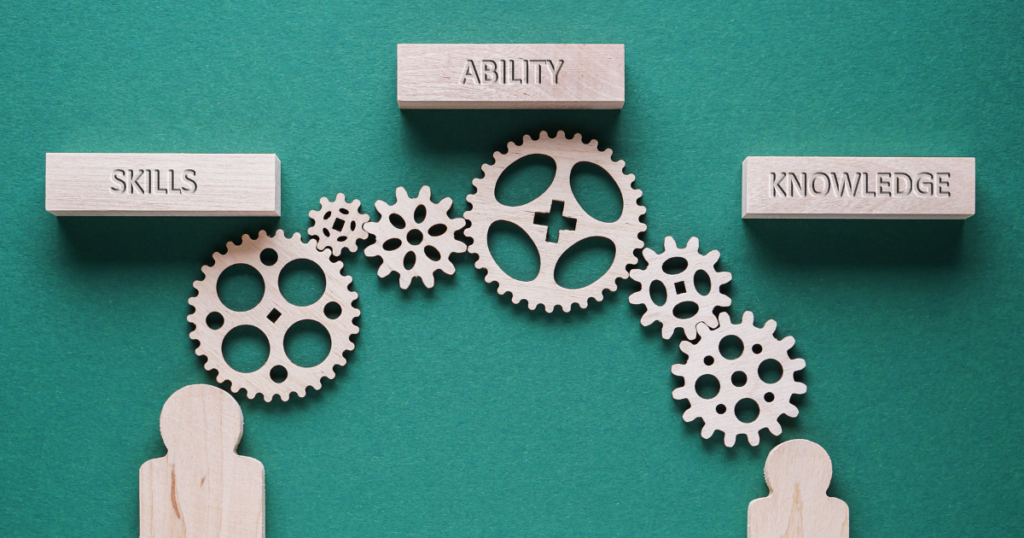
In-demand skills can include both hard and soft skills, so it is important to keep up to date on both. Several in-demand skills include:
- Digital Literacy (beyond basic computer skills).
- Adaptability/Agility (the skill of learning new skills quickly).
- Complex Problem Solving
- Intermediate Construction Skills
- Logistics Training for Quality Control
These skills can be learned and updated through programs, courses, certifications, and workshops. But you need to make the effort to take the training; they won’t magically happen! And that’s the great thing about career colleges and post-secondary programs that are government-approved: you get the education you need, and know they have been backed by a reputable source.
That Competitive Edge You Need? Skills!
Being competitive in this job market is not only important but necessary. It doesn’t matter if you’re fresh out of a program with only a week or two at a co-op experience. Experience, coupled with the ability to learn new skills, can help you get the edge. If you have no direct on-the-job experience but have life experience in other jobs and/or have been through a course or program that has taught you the necessary skills with co-op experience, you will have a better chance of getting your foot in the door with reputable employers.
When looking for skills training, be sure that the provider also offers employment assistance, such as coaching, workshops, and co-ops. These are vital to getting you the experience you need to form a solid foundation. Having a strong foundation can increase the likelihood of an employer having the confidence to hire and employ you. If you are in a current job that you want to move forward with, learning skills can help create a pathway. When you spend the time to learn new skills, you’re creating confidence and capability, the very things that can help you succeed.
Build Your 2026 Skills Training Roadmap: Practical Steps to Get Started on your Goals
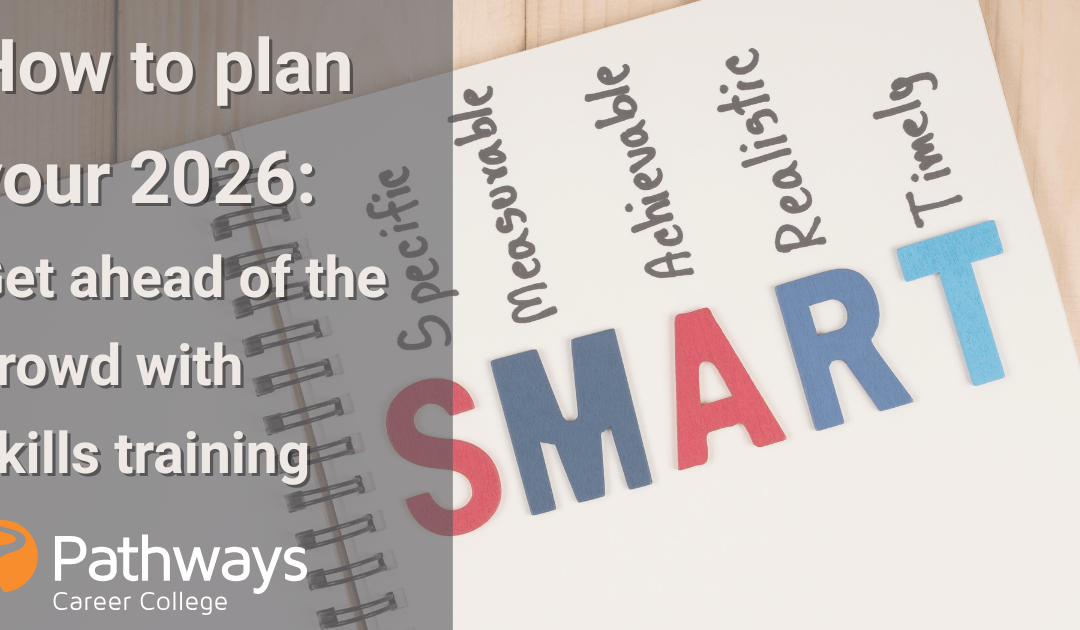
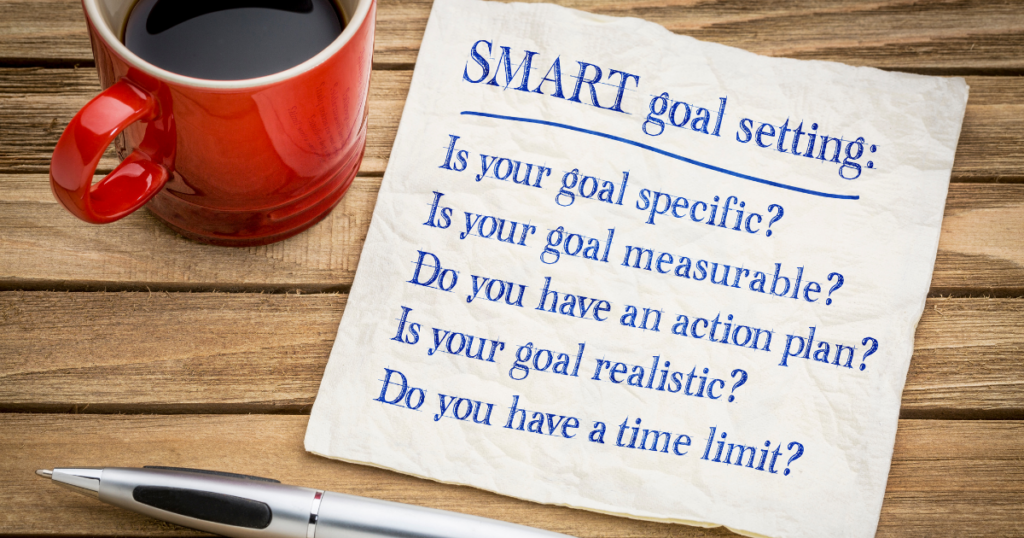
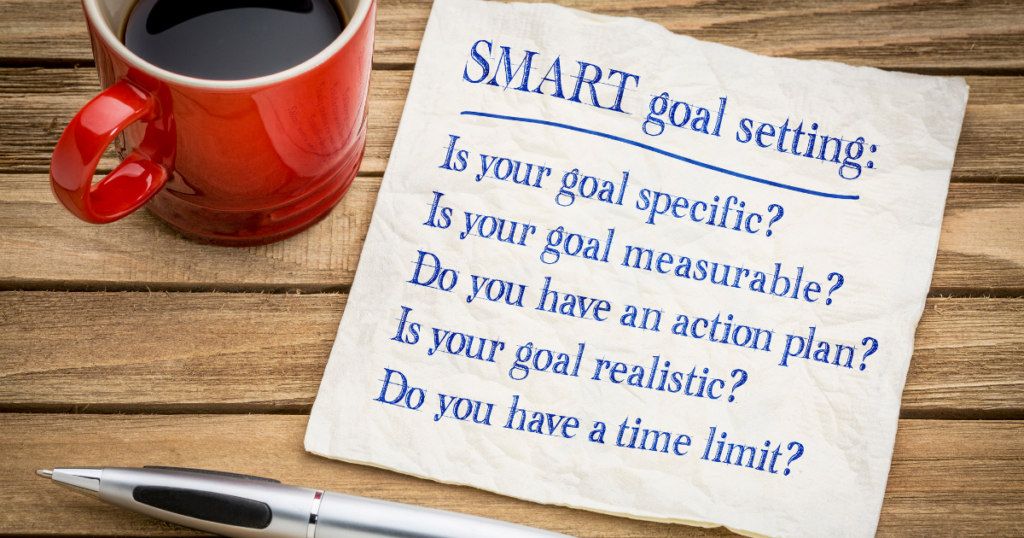
As you look toward 2026 and the rapidly evolving job market, simply saying, “I want a better job” isn’t a strategy—it’s a wish. The SMART framework transforms that wish into a clear, measurable roadmap for skills development and career advancement.
Here is how to apply the SMART criteria to setting your skills training and career college goals:
S – Specific Goals: Define the Destination:
A specific goal answers the who, what, where, and why. It forces you to choose a single program and define the professional outcome you seek.
Vague Goal: “I want to get trained in construction.”
SMART Goal: “I am going to enroll in the Construction Technology Training program at Pathways Career College in the spring of 2026 to gain the necessary certifications and skills to begin working in construction.”
M – Measurable: Track Your Progress:
Measurable goals allow you to celebrate wins and identify when you are falling behind. For skills training, this often means tracking course completion rates, projects you create, or the number of certifications you achieve.
Vague Goal: “I will try to learn how to drive a forklift.”
SMART Goal: “I will successfully learn the skills and pass my certification exam so I can be a licensed forklift driver.”
A – Achievable (or Attainable): Keep It Realistic:
Achievable goals are made when you consider your current resources, time, and aptitude. Career colleges excel with these goals because they offer compressed, focused training that makes the certification path manageable and attainable within months, not years. Ensure your goal aligns with realistic market demands and your personal commitment capacity.
Vague Goal: “I will find work in office administration in six months.”
SMART Goal: “Given my current experience, I will enroll in Pathways for the 12-week Administrative & Clerical Training program to leverage my tech skills and transition into a more professional setting.”
R – Relevant: Connect the Skill to the Career:
A relevant goal means that the skills you acquire directly feed into your ultimate career objective. If your goal is to transition careers, the training must provide the exact, in-demand credentials the new industry requires.
Vague Goal: “I want to drive a forklift someday.”
SMART Goal: “I will gain expertise in logistics and manufacturing procedures, as this is a requirement listed in 80% of the job descriptions I am targeting in the Logistics & Manufacturing sector.”
T – Time-Bound: Set the Deadline:
A time-bound goal creates urgency and establishes a clear finish line. When planning training, tie your deadline not just to course enrollment, but to the professional outcome. Think of your goal as having a timeline where you are “certified and job-seeking by summer 2026.”
Vague Goal: “I’ll look into it later this year.”
SMART Goal: “I will finish researching my pathway by the end of the month and contact providers that offer skills training, to secure my spot in a 2026 intake, ensuring graduation and new employment before the summer.”
Ready to Build Your Future?
The roadmap for your success in 2026 isn’t built on luck. It’s built on a clear, well-structured plan. By evaluating your current skills, acknowledging the gaps that need filling, and using the SMART method to set realistic, time-bound training goals, you move from wishing for a better job to actively creating one.
Skills training isn’t just about updating a resume; it’s about gaining the confidence and capability to succeed in an evolving economy. Don’t wait for your “future self” to fix today’s challenges. The time to start planning your 2026 career transformation is now.
Ready to secure your competitive edge and build the foundation for a sustainable career? Contact Pathways Career College today to speak with an admissions advisor or attend an information session at Pathways Career College (205 Horton St E), any Wednesday at 9:30am. It’s free, informative and lasts only about an hour! There is no need to register, just show up a few minutes before 9:30am. We can help you enroll in the fast-track program that will give you the in-demand skills for tomorrow’s job market. Your future career is waiting.
